

Upgrading or replacing your car’s wheels can impact performance, fuel efficiency, and aesthetics. Two of the most common types of wheels are alloy wheels and steel wheels. Let’s explore their differences and which one suits your needs.
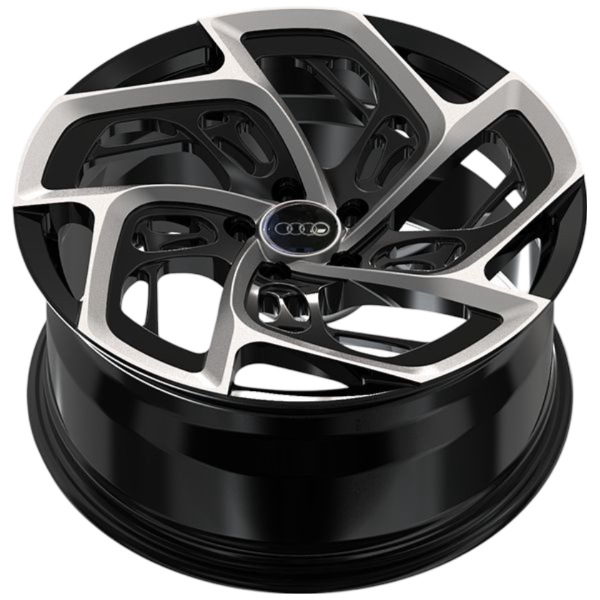

Key Differences Between Alloy and Steel Wheels
- Material: Alloy wheels are made of aluminum or magnesium, while steel wheels are made of iron and carbon.
- Weight: Alloy wheels are lighter, improving fuel efficiency and handling. Steel wheels are heavier but provide durability.
- Appearance: Alloy wheels offer stylish designs, whereas steel wheels have a more basic look.
Pros and Cons of Each Type
| Feature | Alloy Wheels | Steel Wheels |
|---|---|---|
| Durability | More prone to cracking | Extremely strong |
| Performance | Improves acceleration and braking | Adds weight, reducing agility |
| Aesthetics | Stylish designs available | Basic appearance |
| Price | More expensive | Affordable |
Choosing the Right Wheels for Your Driving Needs
- If you prioritize performance and aesthetics, alloy wheels are a great choice.
- If you need durability and cost-effectiveness, steel wheels are better, especially for off-road or winter driving.
Ultimately, the right wheels depend on your budget and driving conditions. If unsure, consult a specialist before making a decision.